
Former Mayor of Shiloh, Israel Talks About Situation on Ground During Iran War
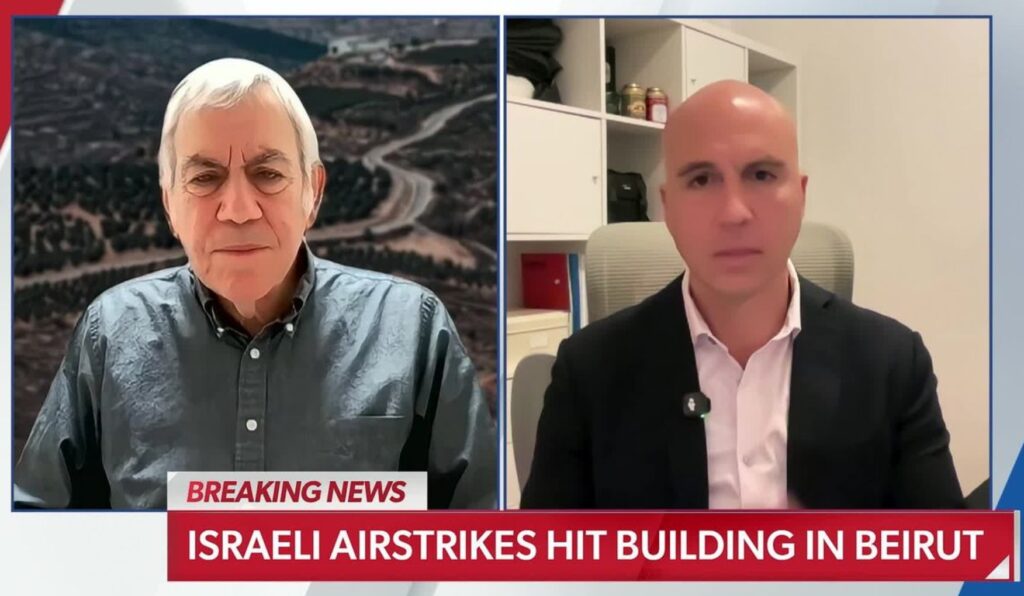
The Newsmax interview on Wake Up America Early featured former Shiloh mayor David Rubin discussing the ongoing conflict between Israel and Iran and offering viewers a perspective from someone living in the region as events continue to unfold. The segment focused largely on Rubin’s on-the-ground observations about daily life in Israel during a time of heightened tensions and military confrontation, while also addressing the broader geopolitical implications of the conflict.
Rubin was introduced as a longtime Israeli public figure and former mayor of the biblical town of Shiloh, as well as the founder of the Shiloh Israel Children’s Fund, an organization that supports children affected by terrorism and conflict. His experience living through years of regional tensions and security challenges provided the foundation for his analysis during the interview. The hosts framed the conversation around the intensifying standoff with Iran and asked Rubin to describe what the situation feels like for ordinary Israelis as the conflict continues.
A central theme of the interview was the contrast between the strategic military developments reported in international headlines and the personal reality of living in Israel during a period of conflict. Rubin explained that Israelis are closely following every development related to Iran because of the potential implications for the country’s security. According to Rubin’s description, the sense of uncertainty is widely felt among the public, as citizens remain attentive to news reports, government updates, and the possibility of further escalation.
Newsmax to the Max
Rubin described how life in Israel continues even amid the tensions, but with a heightened awareness of the security environment. He discussed how many Israelis have grown accustomed to living under the shadow of potential threats, yet still maintain routines involving work, family life, and community activities. At the same time, he noted that the seriousness of the confrontation with Iran creates a unique atmosphere because of the scale of the threat and the strategic stakes involved.
Another focus of the interview involved the broader context of the conflict between Israel and Iran. Rubin discussed how tensions between the two countries have developed over many years, shaped by political rivalry, ideological hostility, and regional power struggles. During the conversation, he explained that Iran’s ambitions in the Middle East and its support for various militant groups have long been viewed in Israel as a direct challenge to the country’s security.
Rubin also spoke about the role of regional alliances and proxy forces in the broader conflict. He noted that the situation involving Iran cannot be understood in isolation because Tehran maintains relationships with armed groups and political partners across the Middle East. These connections, he explained, extend Iran’s influence throughout the region and create multiple points of tension that affect Israel’s security calculations.
Throughout the interview, the hosts asked Rubin to provide insight into how Israelis are interpreting the current situation and what concerns are most prominent among the public. Rubin indicated that many Israelis view the confrontation with Iran as part of a much larger strategic struggle that could shape the future of the region. He emphasized that discussions in Israel often focus not only on immediate military developments but also on the long-term implications for stability and security.
The conversation also touched on the role of the United States in the evolving situation. Rubin noted that the relationship between Israel and the United States remains an important factor in how the conflict develops. He discussed the importance of cooperation between the two countries in areas such as diplomacy, intelligence sharing, and strategic planning. According to Rubin, many Israelis view American support as a critical component of maintaining deterrence against adversaries.
Rubin further addressed the psychological impact that ongoing tensions can have on Israeli society. Living in a region where conflicts periodically erupt has shaped the way many Israelis think about security and preparedness. Rubin described a culture that emphasizes resilience and adaptability, noting that communities across Israel have experience coping with emergencies while continuing to function in daily life.
The interview also explored the historical perspective that Rubin brings to discussions of the current conflict. Having lived in Israel for decades and served in a leadership role in Shiloh, Rubin has witnessed multiple periods of heightened tensions involving neighboring states and non-state actors. His remarks during the segment reflected that long view, placing the present situation within a broader pattern of challenges that Israel has faced over time.
Toward the end of the interview, the hosts returned to the immediate situation and asked Rubin to reflect on what might come next in the confrontation with Iran. Rubin suggested that the situation remains fluid and that developments could unfold quickly depending on decisions made by leaders in the region and by international actors. He emphasized that many observers in Israel are watching closely for signs of either escalation or diplomatic shifts.
The segment concluded with Rubin reiterating the importance of understanding the human dimension of the conflict. While military operations and political decisions dominate global headlines, Rubin emphasized that millions of people in Israel are living through the uncertainty created by the ongoing confrontation with Iran. By sharing his experiences and observations from inside the country, Rubin provided viewers with a perspective that combined geopolitical analysis with the realities of everyday life in a nation facing a complex and evolving security challenge.

Newsmax, Newsmax, Newsmax, Newsmax, Newsmax, Newsmax, Newsmax, Newsmax

