Cancer Turbo Boosted: Zero to 60 too soon – What’s Kicking Cancer into Overdrive?
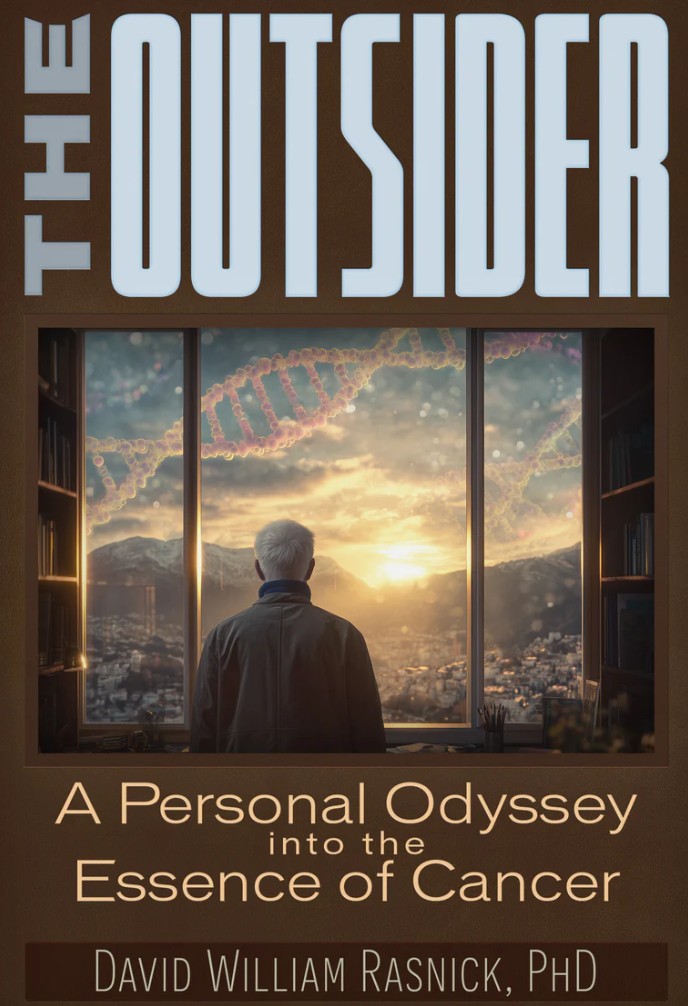
“Turbo Cancer” is a term regularly dismissed by those who clearly have an appearance of a conflict of interest which, in a sane world, would diminish credibility without full disclosure. According to Dr. David Rasnick, author of the new book The Outsider: A Personal Odyssey into the Essence of Cancer, Turbo Cancer is a very legitimate concern. The real question, he says, is whether an alarming rise in aggressive cancers among younger people is occurring—and whether powerful institutions are deliberately avoiding potential explanations that deserve investigation.
- Aggressive cancers are increasingly reported among younger, previously healthy adults
- “Turbo Cancer” concerns deserve investigation, not automatic dismissal
- Vaccines must be ruled in or ruled out scientifically
- Big Pharma conflicts raise questions about independent oversight
- Ivermectin’s anti-cancer potential warrants serious research attention
Dr. Rasnick, a veteran biomedical researcher known for challenging scientific orthodoxy, is available to discuss the growing debate over “Turbo Cancer,” a term increasingly used to describe rapidly progressing cancers appearing in younger and otherwise healthy individuals. While establishment voices often dismiss the term outright, Rasnick argues that labels are irrelevant compared to the troubling trends that many physicians and patients believe they are witnessing.
Rasnick cites the concerns raised by renowned surgeon and biotech entrepreneur Dr. Patrick Soon-Shiong, who has publicly questioned whether immune-system disruption may be contributing to a rise in aggressive cancers. Rasnick believes these concerns warrant urgent investigation, not immediate dismissal.
According to Rasnick, science is supposed to follow evidence wherever it leads. Instead, he argues, discussion of possible links between COVID-era vaccines and rising cancer rates has been largely shut down before the necessary research has even been conducted. He maintains that if cancers are increasing among younger populations after the largest vaccination campaign in history, the vaccines must be ruled in or ruled out through transparent scientific inquiry—not declared off-limits because pharmaceutical companies, regulators, or media organizations insist there is nothing to see.
Rasnick argues that conflicts of interest cannot be ignored. Correlation often doesn’t mean causation but shutting down debate about the latter when the former clearly exists screams conflict of interest, itself a red flag. The same pharmaceutical industry that generated billions from vaccine sales should not be treated as the sole authority on questions surrounding vaccine safety. Whether a connection exists or not, Rasnick says, public confidence requires independent investigation free from political pressure and financial influence.
A longtime critic of establishment narratives, Rasnick also challenges the prevailing account of the COVID era itself. He argues, quite convincingly, that the virus itself isn’t even real. It was used as a pretext for a much more nefarious agenda. He argues that fear, censorship, and institutional groupthink replaced open scientific debate and that many important questions remain unanswered to this day. In his view, the refusal to seriously examine concerns about Turbo Cancer is part of a broader pattern that has damaged public trust in medicine and public health.
Rasnick can also discuss alternative approaches to cancer treatment, including growing interest in repurposed drugs such as ivermectin. He believes ivermectin’s potential anti-cancer properties deserve significantly more research and argues that low-cost therapies often struggle to gain attention in a medical system heavily influenced by patent-driven economics and pharmaceutical incentives.
If younger Americans are developing aggressive cancers at increasing rates, Rasnick believes the public deserves answers, not slogans. His challenge to the medical establishment is straightforward: investigate every plausible cause, follow the evidence, and let the science speak for itself.
Dr. David Rasnick is available for interviews on Turbo Cancer, vaccine safety, cancer trends among younger adults, medical censorship, pharmaceutical conflicts of interest, and the future of independent scientific inquiry.
Relevant Article(s):
OPTIONAL Q&A:
- Is “Turbo Cancer” a real phenomenon or a forbidden question?
- Why are younger adults being diagnosed with aggressive cancers at rising rates?
- Have COVID-era vaccines been adequately investigated as a possible factor?
- Why are concerns about Turbo Cancer often dismissed before being studied?
- Can pharmaceutical companies objectively evaluate products that generated billions in revenue?
- What evidence led Dr. Patrick Soon-Shiong to warn about a potential cancer surge?
- Could immune-system disruption be contributing to more aggressive cancer cases?
- Why is ivermectin’s potential role in cancer treatment receiving so little attention?
ABOUT DAVID RASNICK…
David Rasnick has a PhD in chemistry from the Georgia Institute of Technology. In 1996, he joined Peter Duesberg at the University of California at Berkeley, where they proved the hundred-year old theory that unbalanced chromosomes cause cancer. He was a named contributing editor to explosive book by Robert F. Kennedy, JR. The Real Anthony Fauci.
For nearly two decades, Rasnick developed inhibitors of enzymes responsible for the tissue destruction caused by arthritis, emphysema, parasites, and cancer. His 2012 book, The Chromosomal Imbalance Theory of Cancer: Autocatalyzed Progression of Aneuploidy is Carcinogenesis, is for cancer researchers. His new book, The Outsider’s Advantage: A Personal Odyssey into the Essence of Cancer, tells the same story but in plain language and in the context of his decades-long journey as an outsider.
CLICK HERE TO LEARN MORE
TO SCHEDULE AN INTERVIEW, CALL OR TEXT 512-966-0983 OR EMAIL BOOKINGS@SPECIALGUESTS.COM