Collecting Instincts: From Physical to Digital, what we Collect Reflects Who We Are
Whether it’s vinyl records, baseball cards, video games, movie memorabilia, or other valuable goods, collecting has become an increasingly popular pursuit. At the same time, digital objects (Data) has introduced an entirely new dimension, with consumers building repositories of digital cards, games, and other virtual items. David Callahan, author of Collectors: The Guardians of the Physical and Virtual Worlds, has certainly taken notice.
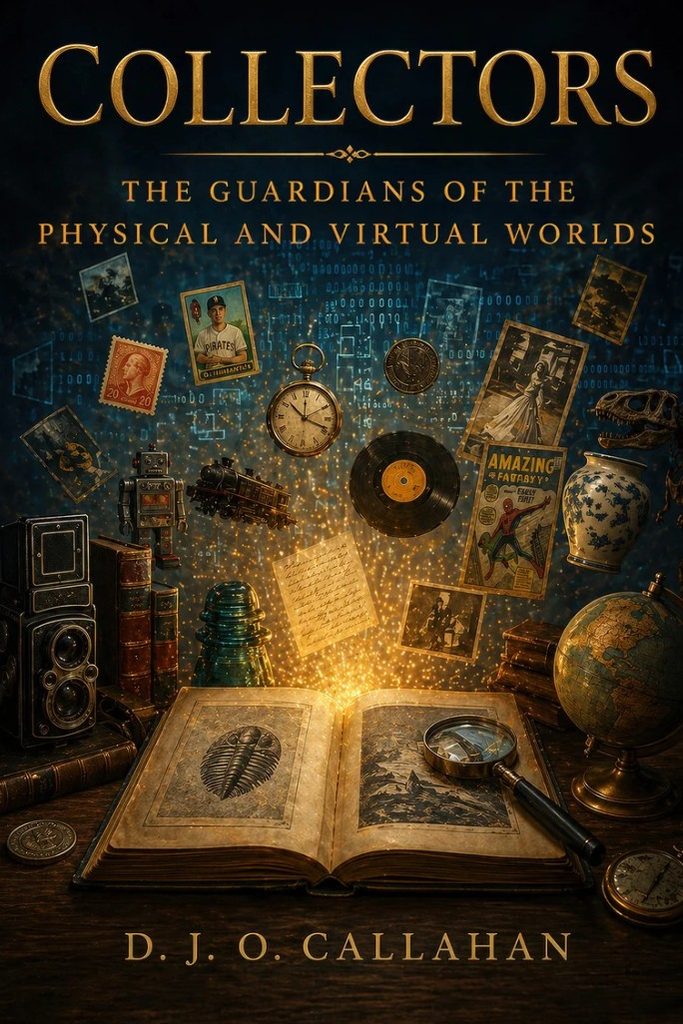
CLICK HERE TO LEARN MORE ABOUT COLLECTORS: The Guardians of the Physical and Virtual Worlds
- Habit has evolved from traditional hobbies into a booming physical and digital marketplace.
- Digital collecting raises new questions about ownership, access, and authenticity.
- Retro collectibles can command surprising prices while fueling nostalgia and cultural interest.
- David Callahan explores the psychology, culture, and future of this trait in his new book.
- Why do we do it—and does ownership matter when collections become digital?
On one hand, demand for retro and physical collectibles is growing. Baseball cards, vintage video games, vinyl albums, and other nostalgic items can command hundreds—or even thousands—of dollars.
On the other hand, virtual collecting has become increasingly common. Digital cards, games, and other goods offer convenience and accessibility, but they also raise questions about what it truly means to “own” something when access may depend on a license or digital platform.
For many people, it’s more than just a hobby. It can be driven by nostalgia, personal identity, the thrill of completing a set, or the search for a long-sought “holy grail.” But as the practice continues to evolve, an interesting question remains: Why is the desire to collect so powerful—and does it matter whether whether the objects are physical or digital?
The practice is also changing as technology reshapes what it means to own something. Physical collections that once occupied shelves, garages and display cases are increasingly being joined by digital collections, from NFTs and virtual items to online archives and rare digital memorabilia. Yet the motivations remain surprisingly familiar: nostalgia, discovery, status, investment and the simple satisfaction of finding something others overlooked.
As collecting expands into new territory, questions about authenticity, value and ownership become increasingly important. Callahan examines these changes while exploring why humans have always been drawn to gathering, preserving and assigning meaning to objects, regardless of whether they can hold them in their hands.
David Callahan joins us to discuss the evolution of this practice, why people are drawn to it, and what inspired his new book. We welcome him to the show!
Relevant Article(s):
Q&A:
- How has the world of collecting changed over the years? What was once associated primarily with things like baseball cards and coins now seems to include everything from video games to rare movie props.
- Why do you think people do it? Is it primarily about nostalgia, personal identity, the thrill of the hunt—or something else?
- What do our collections say about us? Can the things people choose based on their personalities, interests, or even the periods of life they want to revisit?
- We’re now seeing both physical and digital forms. What are the advantages and drawbacks of each, and do you see one replacing the other?
- As more companies move toward digital products and services, what challenges does that create for people who value ownership and preservation?
- Tell us about your book, Collectors: The Guardians of the Physical and Virtual Worlds. What inspired you to explore it from this perspective?
- What advice would you give someone who is just getting started?
- Where can people learn more about your book?
ABOUT DAVID CALLAHAN…
D. J. O. Callahan is an award-winning business journalist with 20 years of professional writing experience. He spent a decade as executive editor of SmartCEO Magazine, a monthly publication he helped create in 2001. The magazine focused on informing top executives in Baltimore, Washington, D.C., Philadelphia, and New York.
Callahan holds a Bachelor of Science in Business Management from the University of Maryland, College Park, and a Master of Science in Professional Writing from Towson State University. He and his family reside in Eldersburg, Maryland.
TO SCHEDULE AN INTERVIEW, CALL OR TEXT 512-966-0983 OR EMAIL BOOKINGS@SPECIALGUESTS.COM