
Pneu Plague: Lab Death in Siberia Revives Questions About Russia’s Biowarfare Program
The unexplained death of a pathogen researcher at a Russian anti-plague institute at Irkutsk in Siberia, has raised questions about laboratory safety, biological threats and the information governments share with the public. After COVID, the public’s natural default is often distrust of government narratives. Adam Finnegan, a biowarfare researcher, historian, and author of The Sleeper Agent. His investigation into biological weapons began after he contracted Lyme disease, is available to explain the history behind this disturbing case and why informed vigilance, not fear, is the appropriate response.
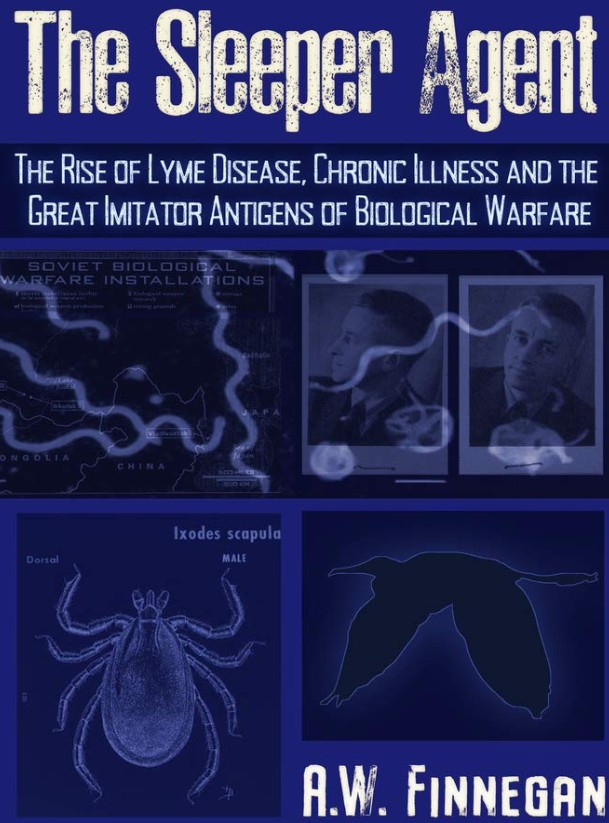
- Russian Anti-Plague Institute has History of Incidents and biowarfare activity
- Pneumonic plague risks, transmission, treatment and laboratory safety
- Operation Paperclip and the legacy of Nazi biological research and its Russia connection
- Pathogen weaponization, delayed symptoms and concealed origins
- COVID-19, weaponized propaganda and the need for informed vigilance
The Anti-Plague Institute in Irkutsk, Siberia, sits at the center of a troubling web of unanswered questions and contradictory reporting. The facility is part of Russia’s longstanding network of institutions studying dangerous infectious diseases, against the backdrop of the Soviet Union’s documented offensive biological-weapons program and lingering questions about the relationship between civilian pathogen research and military capabilities.
The institute’s history and the broader record of laboratory mishaps make transparency especially important, yet accounts of what happened in this case remain inconsistent. Finnegan is struck by the conflicting information and the gaps between what has been reported, what authorities have confirmed and what remains unknown. He can put Russia’s biological-warfare history into context, examine how its capabilities evolved and explain why this case warrants scrutiny without jumping to conclusions about the cause of death or the nature of the research underway.
The 28-year-old researcher died in Siberia on October 2, and the World Health Organization has cited initial, unconfirmed reports suggesting pneumonic plague following an alleged accidental laboratory exposure. The WHO has emphasized that the cause of death remains undetermined and has requested additional information from Russia.
Russian authorities have reported that testing found no dangerous infectious pathogens among the deceased woman’s contacts, while the agency has also examined reports of another institute employee developing pneumonia. The questions surrounding the incident remain unresolved.
Pneumonic plague is a serious form of plague that affects the lungs and can spread between people through respiratory particles. It can be fatal if untreated, but timely antibiotic treatment can be effective. The WHO has assessed the risk outside Russia as very low, underscoring the need to distinguish the confirmed facts from speculation while demanding transparency about what happened inside a facility dedicated to studying dangerous pathogens.
Finnegan’s research extends well beyond this individual case. After his Lyme disease diagnosis, he delved into the history of biological weapons, including Nazi-era research and the transfer of German scientific expertise to the United States through programs such as Operation Paperclip. He has studied how biological agents may be weaponized; how prolonged or subtle effects could complicate detection and how the origins of a suspected biological attack might be obscured.
He also examines weaponized propaganda and the competing narratives surrounding COVID-19 and its vaccines, including how public-health messaging can serve multiple purposes. The Russian incident offers a timely opportunity to explore the history of bioweapons research, the importance of independent verification and the danger of allowing either official assurances or worst-case speculation to substitute for evidence.
Finnegan can help audiences understand what the suspected plague case does—and does not—tell us about biological threats, what questions investigators should be asking and how the public can respond rationally when information is incomplete. His message is straightforward: knowledge is a better defense than panic.
Relevant Article(s):
Russia’s plague lab worker death: Why is everyone so freaked out?
Possible plague death at a Siberian lab baffles scientists | Science | AAAS
What to know about possible case of pneumonic plague in Russia | AP News
OPTIONAL Q&A:
- What is known about the Russian researcher’s death and the suspected pneumonic plague exposure?
- How dangerous is pneumonic plague, and how effectively can it be treated today?
- Could a laboratory accident involving a dangerous pathogen go undetected initially?
- How have biological weapons programs evolved since Nazi Germany and Operation Paperclip?
- Can pathogens be weaponized to produce delayed symptoms that complicate tracing their origins?
- What does the history of biowarfare reveal about the risks of conducting research on dangerous pathogens?
- How can weaponized propaganda distort public understanding of biological threats and public-health emergencies?
- How should the public demand transparency and accountability without succumbing to fear or misinformation?
ABOUT A.W. FINNEGAN…
Adam Finnegan is a survivor of Lyme disease and immune tolerance and has been battling health problems since he was young, with the onset of a chronic disease in 2016. He is a writer, graphic artist and designer, and avid reader and researcher of history, biological warfare, esoteric philosophy, spirituality, and the Western Mystery Traditions. He has made a special study of the life and work of Erich Traub and the science of immune tolerance. He has collected and translated to English all of Traub’s published research. He lives in Cape Cod, Massachusetts, peacefully by himself, where he enjoys BMX biking, fitness, study, the arts, and self-development.
TO SCHEDULE AN INTERVIEW, CALL OR TEXT 512-966-0983 OR EMAIL BOOKINGS@SPECIALGUESTS.COM