Civilian War: Mamdani’s New Civilian NYPD Force Raises Alarms About Who Controls the Streets
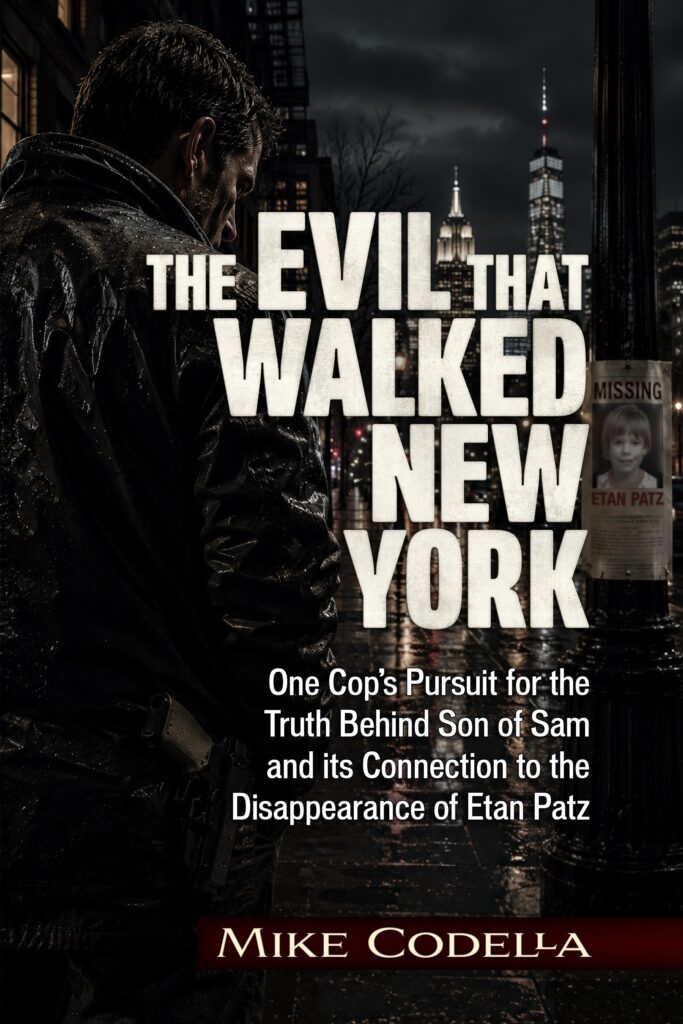
New York City Mayor Zohran Mamdani’s decision to disband the NYPD’s Strategic Response Group and build a civilian-led team to help manage demonstrations is being sold as a more humane, progressive approach to public safety. But former NYPD Detective Sergeant Mike Codella, author of The Evil that Walked New York, sees a deeply dangerous precedent: weakening professional law enforcement while inserting civilians with political or ideological agendas into an already volatile environment.
- Mamdani dismantles NYPD’s specialized response capabilities
- Civilian volunteers risk politicizing protest management
- Obama’s 2008 security-force proposal resurfaces
- Unaccountable authority threatens professional policing standards
- New York’s public safety faces another dangerous experiment
The announcement has revived memories of Barack Obama’s 2008 campaign-trail call for a “civilian national security force,” a phrase that still raises questions about the proper role of government and the limits of civilian authority. Codella argues that the issue is not whether peaceful protesters deserve dialogue and constitutional protection. They do. The issue is whether public safety should be entrusted, even in part, to people who lack the training, experience, discipline and accountability required of sworn officers.
Mamdani’s plan creates a Community Dialogue and De-escalation Division within the mayor’s Office of Community Safety. The administration says the civilian division will have neither weapons nor arrest powers and will coordinate with a 30-officer NYPD dialogue team. A separate patrol unit will assume crowd-management responsibilities. But Codella warns that creating a civilian layer inside protest response opens the door to political favoritism, selective enforcement and confusion over who is actually in charge. If civilians are given badges, credentials or other symbols of official authority, he says, the public may see the power of law enforcement without the safeguards that are supposed to accompany it.
Codella believes this is part of a broader effort to dismantle law and order by recasting police work as a political or ideological exercise. Disbanding a specialized unit does not make the threats it was designed to confront disappear. Nor does replacing experienced officers with a patchwork of new divisions and civilian intermediaries necessarily make demonstrations safer. It may instead undermine police morale, weaken the department’s ability to respond decisively when violence erupts, and leave ordinary New Yorkers less protected.
With years of experience inside the NYPD, Codella can explain what specialized response units do, why crowd control requires training and command discipline, and why accountability matters when government grants people authority over the public. He can also assess whether Mamdani’s restructuring is a genuine public-safety reform—or another step toward politicizing policing and eroding the rule of law—and the safety of New York’s streets.
Relevant Article(s):
Mamdani announces blueprint to disband controversial NYPD unit – POLITICO
Obama civilian national security force.
OPTIONAL Q & A:
- What makes Mamdani’s decision to disband the NYPD’s Strategic Response Group such a dangerous move for public safety?
- What specific responsibilities does the Strategic Response Group perform, and what happens when those capabilities disappear?
- How does Mamdani’s plan to enlist civilians in protest management compare with Barack Obama’s 2008 call for a Civilian National Security Force?
- What dangers arise when civilians with political or ideological agendas are placed in positions of authority alongside professional police officers?
- Could civilian volunteers effectively exercise authority over demonstrations without the training, discipline and accountability expected of sworn officers?
- Does this restructuring represent another step toward dismantling traditional law enforcement and weakening the NYPD?
- What happens when political ideology begins influencing decisions about who gets protected, who gets policed and how laws are enforced?
- What should New Yorkers expect when the next major demonstration turns violent and the city’s new civilian-led approach is put to the test?
ABOUT MIKE CODELLA…
Born in Brooklyn, New York, Mike Codella walked the streets of the city he would one day dedicate his life to protecting. In 2001, Codella worked at the World Trade Center (Building 7). On September 11th he was on his way to work when he changed his route and headed toward WTC 1. Codella was one of those first responders who was running into the building as people were rushing out. He barely escaped death with the Tower came down.
In July of 1983, Codella became a New York City police officer—and over the next two decades, he would plunge into the city’s darkest corners. Rising to Detective Sergeant, Mike served in some of the NYPD’s most elite and high-stakes units: the Drug Enforcement Administration, Secret Service Task Force, Special Frauds Squad, Operation 8, and the Missing Persons Squad.
Codella investigated missing children, homicides, sex crimes, and violent felonies, leaving his mark on cases that gripped the city and shocked the nation. From the chilling terror of the Son of Sam murders to the haunting disappearance of Etan Patz, and the arrest of Andre Rand, Mike navigated the shadows, unraveling mysteries that most feared to confront. He infiltrated citywide drug cartels, and endured injuries as a first responder during the September 11 attacks. In the aftermath, he was tasked with bringing order to the chaos of the New York City Morgue—a grim duty that tested every ounce of his resolve.
TO SCHEDULE AN INTERVIEW, CALL OR TEXT 512-966-0983 OR EMAIL BOOKINGS@SPECIALGUESTS.COM