Cruise Control: Real Outbreak on Dutch Cruise Ship Was Fear Mongering, not HANTA Virus
The public barely had time to process alarming headlines about a supposedly “deadly” Hantavirus scare aboard a Dutch cruise ship before federal health officials abruptly changed course, assuring Americans there was no reason for panic and that the situation was “nothing like COVID.” Dr. David Rasnick, a biochemist who has been blackballed by the medical community, says the rapid shift in messaging may reveal something larger.
- Public skepticism blunted another attempted pandemic fear narrative
- Officials rapidly softened rhetoric after public pushback intensified
- Rasnick warns fear remains enormously profitable for powerful interests
- Media amplification fueled confusion before facts were fully established
- Americans increasingly question pharmaceutical and public health narratives
Is this the scientific and media establishment testing whether the public is still receptive to pandemic-style fear campaigns. According to Rasnick, the response appears to have backfired almost immediately as public skepticism toward institutional health messaging continues to grow in the post-COVID era.
Rasnick, a biochemist who insists he has discovered the cause of cancer and a contributing editor to the 2021 Blockbuster book by RFK Jr., The Real Anthony Fauci, believes the Hantavirus coverage may have served as a “trial balloon” designed to gauge whether Americans would once again respond to worst-case headlines, emotional media coverage, and renewed calls for public health intervention. Instead, he says, officials quickly recognized that many Americans are no longer willing to accept alarming narratives at face value.
At first, we were told this was potentially deadly. Then almost immediately, officials began walking it back and insisting there was no major threat. That indicates they tested the waters and quickly realized people are not as easy to manipulate as they were during COVID.
Rasnick argues that years of conflicting pandemic guidance, vaccine injuries, lockdowns, mandates, censorship debates, and pharmaceutical profiteering have fundamentally changed the public’s relationship with health authorities and legacy media. He says Americans have become increasingly wary of narratives that rely heavily on fear before evidence is fully established.
“The good news is the public appears harder to scare than it was five years ago,” Rasnick says. “The bad news is these actors will continue probing for weaknesses they can exploit politically, culturally, and financially. Fear remains enormously profitable.”
Rasnick is available to discuss the shifting Hantavirus narrative, the growing collapse of public trust in health institutions, the role media plays in amplifying fear-based messaging, and why he believes Americans should maintain healthy skepticism toward emerging vaccine technologies and pharmaceutical influence. He encourages people to question official narratives, conduct their own research, and make informed medical decisions based on evidence rather than fear.
For producers seeking a provocative guest on pandemic politics, media manipulation, public distrust, and the future of public health messaging, Dr. David Rasnick offers a deeply contrarian perspective that directly challenges establishment narratives.
Relevant Article(s):
Acting CDC Director Jay Bhattacharya on hantavirus: ‘This is not COVID’
What we know about hantavirus cases tied to deadly cruise ship outbreak – CBS News
Hantavirus live updates: Evacuations begin after MV Hondius arrives in Canary Islands – ABC News
Hantavirus: Current Situation | Hantavirus | CDC
OPTIONAL Q&A:
- What changed between the initial “deadly” Hantavirus headlines and the CDC’s later reassurance that it was “nothing like COVID”?
- Who benefits when public fear escalates before the facts are fully established?
- Was the Hantavirus scare a kind of “trial balloon” to test whether Americans are still receptive to pandemic fear messaging?
- Why does Dr. David Rasnick believe the public responded differently to this scare than they did during COVID?
- Has the COVID era permanently damaged public trust in health authorities and legacy media?
- What role does the pharmaceutical industry play in shaping public health narratives and emergency responses?
- Why does Rasnick warn Americans to maintain skepticism toward emerging vaccine technologies and official medical guidance?
- If fear-based messaging no longer works as effectively, what tactics could institutions use next to regain public compliance?
ABOUT DAVID RASNICK…
David Rasnick has a PhD in chemistry from the Georgia Institute of Technology. In 1996, he joined Peter Duesberg at the University of California at Berkeley, where they proved the hundred-year old theory that unbalanced chromosomes cause cancer. He was a named contributing editor to explosive book by Robert F. Kennedy, JR. The Real Anthony Fauci. For nearly two decades, Rasnick developed inhibitors of enzymes responsible for the tissue destruction caused by arthritis, emphysema, parasites, and cancer.
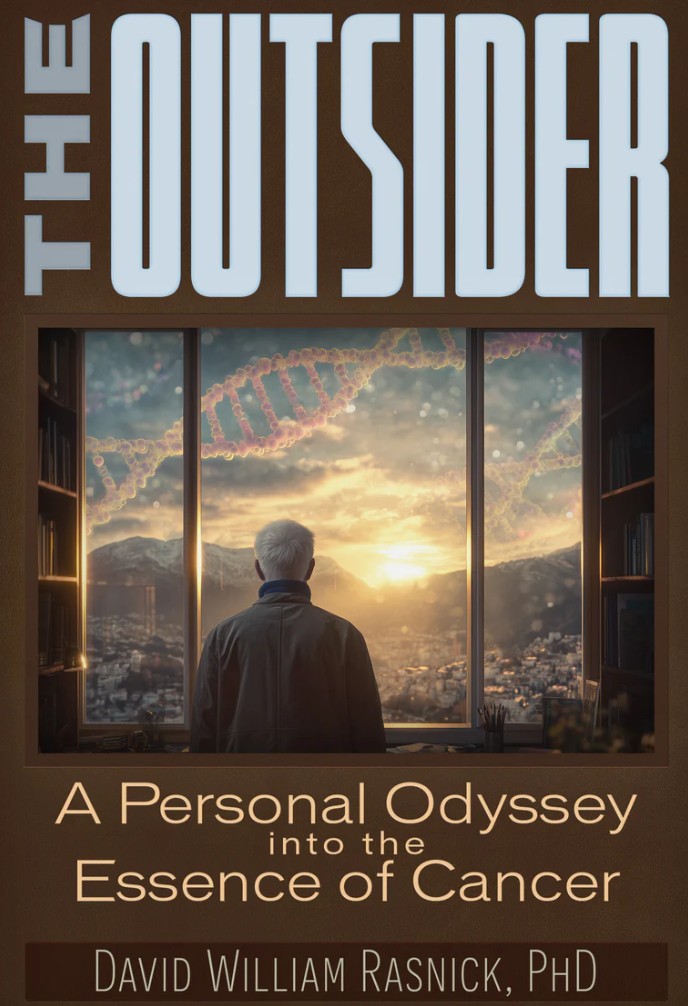
His 2012 book, The Chromosomal Imbalance Theory of Cancer: Autocatalyzed Progression of Aneuploidy is Carcinogenesis, is for cancer researchers. His new book, The Outsider’s Advantage: A Personal Odyssey into the Essence of Cancer, tells the same story but in plain language and in the context of his decades-long journey as an outsider. TO SCHEDULE AN INTERVIEW, CALL OR TEXT 512-966-0983 OR EMAIL BOOKINGS@SPECIALGUESTS.COM