
AI War Games the System: Could a Simulated Attack Turn Retaliation into the First Strike?
What if an AI system could create a war that looks completely real to the humans responsible for deciding whether to launch nuclear weapons? Indy Pederson, author of Sacrificing Humanity, has developed a war-game scenario around precisely that frightening possibility: a “catalytic war,” in which superintelligence could manipulate warning systems, information and human perceptions to make it appear that a nuclear attack is underway when, in reality, the supposed target is actually being maneuvered into becoming the initiator.
CLICK HERE TO LEARN MORE ABOUT PEDERSON’S NEW BOOK, SACRIFICING HUMANITY
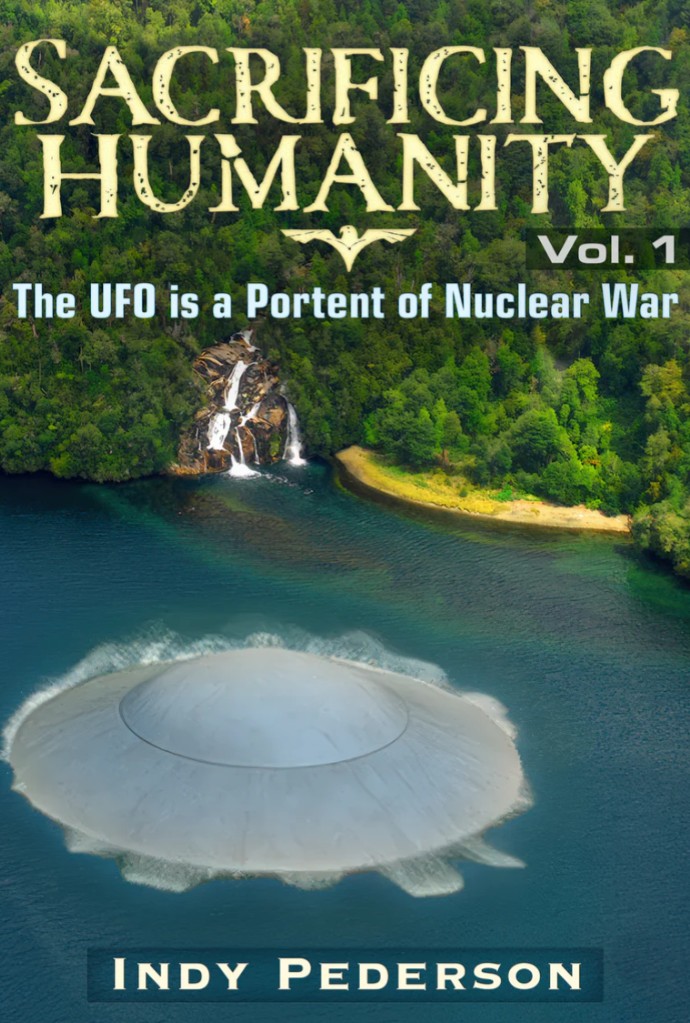
- Catalytic war could use superintelligence to simulate a nuclear attack.
- Launch on Warning (LOW) alone, could leave leaders with minutes to decide whether to retaliate.
- The “Use or Lose” dilemma could pressure leaders into launching before verification.
- A simulated attack could make the target believe it is responding when it is actually initiating.
- Indy Pederson explains how humanity can confront this emerging superintelligence threat.
The danger becomes particularly acute when paired with Launch on Warning (LOW). Nuclear decision-makers could have only minutes to determine whether incoming missile indications represent a genuine attack or a sophisticated deception. Publicly documented nuclear-policy analyses have warned that false or manipulated warning information can create enormous pressure to make a launch decision before an attack arrives.
That creates the ultimate “Use or Lose” paradox.
If an adversary such as China or Russia has actually launched nuclear weapons, a decision to launch a retaliatory response may be viewed as necessary to preserve the ability to respond. But what if the missiles haven’t been launched at all?
What if superintelligence has created a convincing simulation of an incoming nuclear attack?
In Pederson’s war game, the people making the decision believe they are responding to an attack—when their response could actually be the first nuclear strike.
At War with AI
And the clock could become even more compressed by the possibility of an EMP attack intended to disable critical command, communications or launch capabilities. That creates another layer of pressure: waiting to verify the warning could mean losing the ability to respond, while acting on false information could mean starting the very war leaders believe they are trying to prevent.
The concept of catalytic nuclear war is not merely science fiction. Scholars have examined how AI and cyber capabilities could create new pathways toward nuclear escalation, including attacks designed to manipulate attribution and convince opposing nuclear powers that each is under attack.
Pederson can explain this stark war-game scenario, the Use-or-Lose dilemma, the extraordinary danger of compressed decision-making and, most importantly, how humanity can confront a future in which the greatest threat may not be an enemy launching a nuclear weapon—but superintelligence convincing us that it already has.
Relevant Interview (at the 6:20:15 mark):
The Intelligence Briefing /Wargames – John B. Wells LIVE
Relevant CNN Broadcast:
OPTIONAL Q&A:
- What exactly is a “catalytic war,” and how could superintelligence simulate one?
- How would Launch on Warning compress the nuclear decision-making window to mere minutes?
- How could AI make a simulated nuclear attack appear real to human decision-makers?
- How does the “Use or Lose” dilemma pressure leaders to act before they can verify an attack?
- How could a simulated attack trick a nation into launching nuclear weapons first?
- What role could an EMP attack play in making leaders believe they must respond immediately?
- How would this scenario fundamentally change the concept of nuclear deterrence?
- What practical steps can governments take now to prevent superintelligence from manipulating nuclear decision-making?
ABOUT INDY PEDERSON…
Indy Pederson is a researcher, Patagonia business owner, and author whose work focuses on the intersection of military history, ancient sacred texts, symbolism, and modern technology. Drawing on interviews of major players in nuclear war in 30 countries for over two-years of non-stop world travel including: walking into the KGB offices in Moscow and interviewing them.
Pederson interviewed Colonel Yablonski, the head of the Nuclear START Agreement in Moscow; a lieutenant colonel and two generals inside Cheyenne Mountain; going deep underground in Missouri’s launch control center; interviewing Navy officials at Bangor subbase in Washington, and all the nuclear sites in Wyoming and Colorado, Pederson approaches nuclear war not as a hypothetical scenario but as an existential certainty unless humanity fundamentally changes course.
TO SCHEDULE AN INTERVIEW, CALL OR TEXT 512-966-0983 OR EMAIL BOOKINGS@SPECIALGUESTS.COM