Mamdani Blues: NYPD Faces a New Beat as Election Results Reshape the City’s Policing Priorities
One thing is for certain. Election results have consequences extending far beyond Capitol Hill, particularly for law enforcement in New York City. Mike Codella, a former NYPD Detective Sergeant who worked in WTC Building 7, can provide an insider’s assessment of what the political fallout could mean for police morale, department leadership, public safety, and the future of policing under Muslim Mayor Zohran Mamdani.
- Election results could reshape NYPD funding, staffing, and law enforcement priorities
- Mamdani’s leadership raises questions about police morale and department support
- Political shifts could strengthen or constrain progressive policing policies
- Controversial political associations could deepen officers’ concerns about leadership
- Election outcomes may determine New York’s public-safety trajectory for years
With Mamdani already in City Hall, the election could determine whether his progressive approach to policing gains greater political momentum or encounters a powerful new wave of resistance. For NYPD officers, the stakes are personal: Will the results strengthen the hand of political leaders who favor further restrictions on police authority, or give law enforcement greater support and latitude to confront rising public-safety challenges?
The consequences extend well beyond party politics.
Codella can discuss what election outcomes could mean for police funding, staffing, recruitment, disciplinary policies, and the authority officers have when responding to violent crime. If Democrats make significant gains, could the NYPD face intensified pressure to embrace policies that officers believe undermine their ability to do their jobs? Conversely, could Republican victories strengthen opposition to progressive policing and give law enforcement greater leverage in the debate over public safety?
The question of morale is particularly significant. Mamdani’s relationship with the NYPD has generated controversy, including his positions on police accountability and use-of-force policies. Codella can explain what it means for officers to serve under a mayor whose political philosophy has frequently placed him at odds with traditional law enforcement priorities.
He can also address the controversy surrounding Mamdani’s expressions of solidarity with Imam Siraj Wahhaj, whom federal prosecutors identified as an unindicted co-conspirator in the 1993 World Trade Center bombing case. What message do such political associations send to officers tasked with protecting the city against terrorism? How does leadership’s rhetoric affect the confidence of those serving on the front lines?
Most importantly, Codella can assess whether election results will strengthen or weaken the political forces shaping the NYPD’s future. Could a shift in Washington or Albany constrain Mamdani’s policing agenda? Could election results embolden activists demanding further changes to the department?
From crime and terrorism to officer morale and the future of policing, Codella offers a candid, firsthand perspective on what Election Night could mean for New York City’s law enforcement community—and the millions of people who depend on it.
Relevant Article(s):
Retired NYPD Police Officer interview-Mike Codella
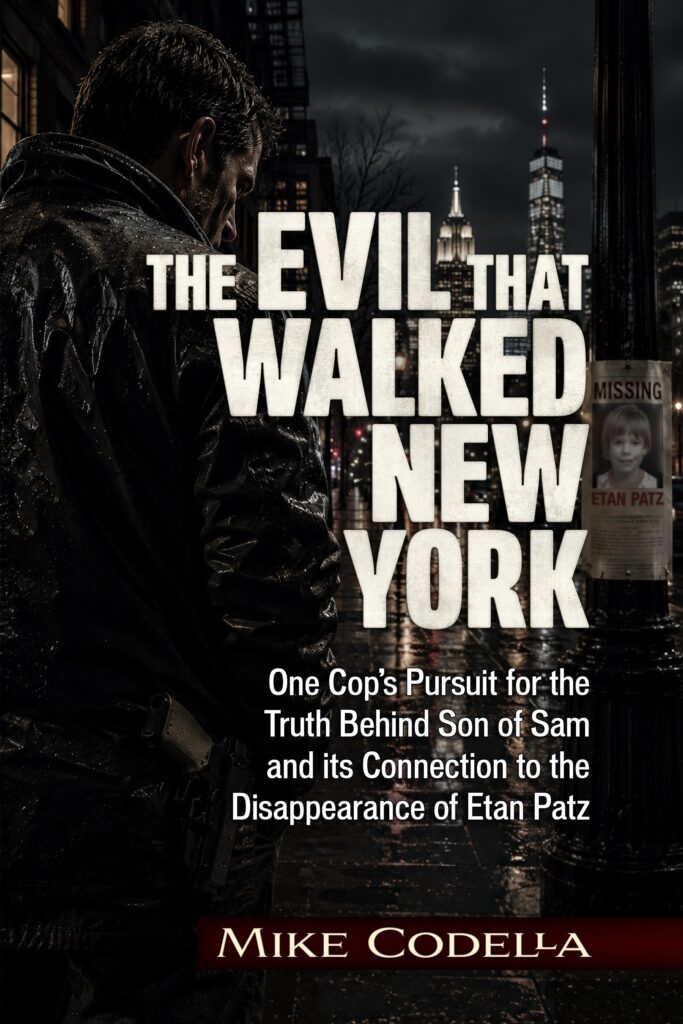
6-Year-old Etan Patz—boy on milk carton—goes missing | HISTORY
OPTIONAL Q & A:
- How might the election results change the NYPD’s ability to fight crime and protect New Yorkers?
- What do the results mean for police funding, staffing, and law enforcement priorities?
- What do these results mean for Mamdani’s agenda? Emboldened?
- How is NYPD morale affected by having Mayor Zohran Mamdani as the department’s boss?
- What message does Mamdani’s past solidarity with Siraj Wahhaj send to officers responsible for protecting New York against terrorism?
- Could the election results embolden activists seeking to further restrict police authority and change law enforcement policies?
- What happens when officers believe political leaders are prioritizing ideological agendas over public safety?
- Could the election results determine whether New York City becomes safer or more dangerous over the next two years?
ABOUT MIKE CODELLA…
Born in Brooklyn, New York, Mike Codella walked the streets of the city he would one day dedicate his life to protecting. In 2001, Codella worked at the World Trade Center (Building 7). On September 11th he was on his way to work when he changed his route and headed toward WTC 1. Codella was one of those first responders who was running into the building as people were rushing out. He barely escaped death with the Tower came down.
In July of 1983, Codella became a New York City police officer—and over the next two decades, he would plunge into the city’s darkest corners. Rising to Detective Sergeant, Mike served in some of the NYPD’s most elite and high-stakes units: the Drug Enforcement Administration, Secret Service Task Force, Special Frauds Squad, Operation 8, and the Missing Persons Squad.
Codella investigated missing children, homicides, sex crimes, and violent felonies, leaving his mark on cases that gripped the city and shocked the nation. From the chilling terror of the Son of Sam murders to the haunting disappearance of Etan Patz, and the arrest of Andre Rand, Mike navigated the shadows, unraveling mysteries that most feared to confront. He infiltrated citywide drug cartels, and endured injuries as a first responder during the September 11 attacks. In the aftermath, he was tasked with bringing order to the chaos of the New York City Morgue—a grim duty that tested every ounce of his resolve.
CLICK HERE TO LEARN MORETO SCHEDULE AN INTERVIEW, CALL OR TEXT 512-966-0983 OR EMAIL BOOKINGS@SPECIALGUESTS.COM