
Associate Director at Epstein Justice on Resignations of Larry Summers and Apology from Bill Gates
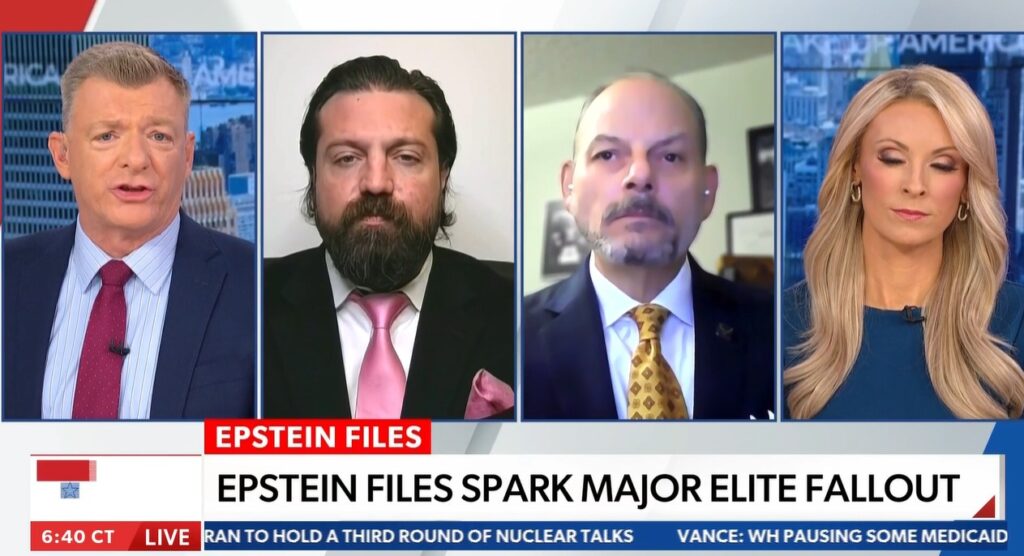
A recent panel discussion on Wake Up America focused on renewed public scrutiny surrounding high-profile resignations and statements connected to the legacy of Jeffrey Epstein. The segment featured Pete Shinn, Associate Director of Epstein Justice, who joined the program to discuss the broader implications of the resignation of Larry Summers and a recent public apology issued by Bill Gates.
Wake Up, AMERICA!
The discussion unfolded against a backdrop of growing public interest in how powerful individuals and institutions have responded, years later, to revelations connected to Epstein and his network. Panelists examined how accountability, reputational damage, and delayed consequences continue to surface long after the original scandals dominated headlines. The conversation emphasized that these developments are not isolated events, but part of a longer arc in which prominent figures are being forced to confront past associations and decisions in a changed political and cultural environment.
Pete Shinn framed the resignation of Larry Summers as emblematic of how unresolved questions from the Epstein era continue to ripple through elite institutions. The panel explored how leadership roles at major organizations increasingly come with expectations of transparency and moral scrutiny that were far less pronounced in previous decades. Summers’ departure was discussed not merely as a personnel change, but as a signal that institutional tolerance for controversy linked to Epstein-era associations has narrowed significantly.
Attention then turned to Bill Gates’ public apology, which the panel treated as another marker of shifting norms around accountability. The discussion highlighted how apologies from influential figures now play a complex role in shaping public perception, often raising as many questions as they answer. Rather than closing the door on controversy, such statements can reopen debates about what was known, when it was known, and how responsibility should be assessed years later. The panel noted that public apologies are increasingly viewed as strategic acts within a broader reputational landscape, rather than simple expressions of remorse.
Throughout the segment, the panel contextualized these developments within a wider conversation about power, media attention, and delayed justice. The hosts and guests discussed how many of the most consequential questions surrounding Epstein were never fully addressed when the story first emerged, leaving space for ongoing revelations and reassessments. This dynamic, they suggested, helps explain why figures connected even tangentially to Epstein continue to face scrutiny long after his death.
The conversation also touched on the role of advocacy groups and independent researchers in keeping public attention focused on unresolved issues. Epstein Justice was referenced as part of a broader ecosystem of organizations and individuals working to ensure that the narrative around Epstein does not fade without accountability. The panel underscored that media appearances and public discussions remain an important mechanism for sustaining pressure on institutions that might otherwise prefer to move on.
In discussing the media’s role, the panel reflected on how coverage has evolved, with outlets now more willing to revisit uncomfortable topics involving elite networks. The segment suggested that this shift reflects both audience demand and a broader cultural reassessment of how power has historically insulated certain individuals from consequences. The panelists emphasized that renewed attention is not about relitigating the past for its own sake, but about understanding systemic failures and preventing their repetition.
The overall tone of the discussion remained focused on analysis rather than speculation, positioning the resignation and apology as part of a continuing reckoning rather than isolated headlines. By situating these events within a longer timeline, the panel conveyed how the Epstein case continues to influence conversations about ethics, leadership, and accountability across politics, finance, and philanthropy.
As the segment concluded, the emphasis remained on the importance of sustained public engagement. The discussion reinforced the idea that the Epstein story is not simply a closed chapter, but an ongoing reference point in debates about institutional responsibility and moral leadership. The appearance by Pete Shinn on Wake Up America served as a reminder that the consequences of past actions can resurface unexpectedly, shaping present-day conversations and decisions in powerful circles.

America, America, America, America, America

