
CompassCare’s CEO Talks about the 2026 Midterms and Feckless Republican Efforts to Win
Via Lindell TV:
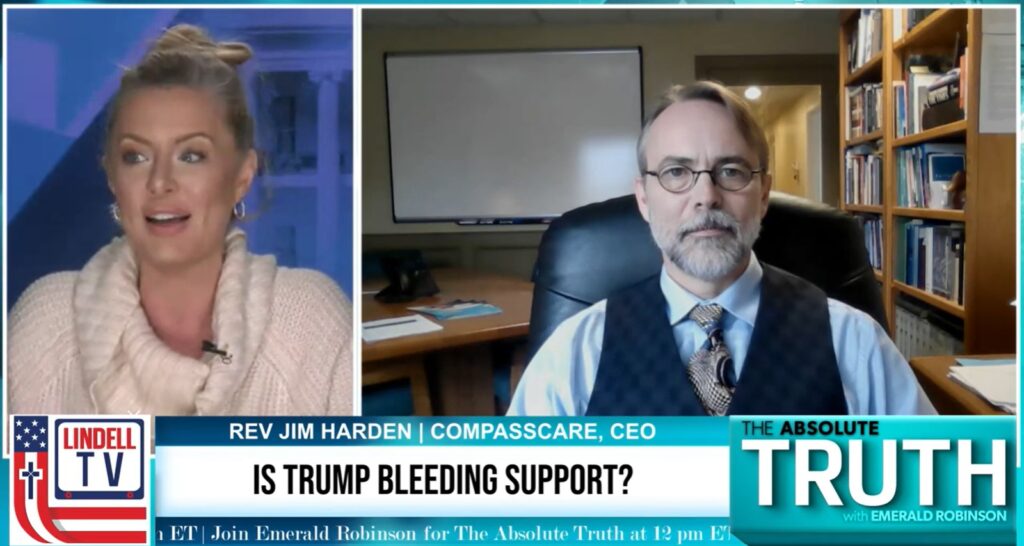
The interview between Lindell TV host Emerald Robinson and CompassCare CEO Jim Harden focused on the political landscape heading into the 2026 midterm elections, with a particular emphasis on internal Republican dynamics and the growing concern among conservative activists that the party is heading toward a significant electoral defeat of its own making. The conversation framed the midterms not as a referendum driven primarily by Democratic strength, but as a consequence of what both speakers described as Republican hesitation, fragmentation, and reluctance to fully engage in political conflict.
Throughout the discussion, Robinson and Harden emphasized that voter frustration on the right is no longer centered solely on policy disagreements with Democrats, but increasingly on a perception that Republican leaders lack resolve. They argued that many conservative voters believe their elected officials campaign on bold promises but retreat once in office, especially when faced with institutional pressure, media criticism, or internal party resistance. This perceived pattern of retreat, they suggested, has eroded trust and enthusiasm within the Republican base.
A major theme of the interview was the idea that elections are not lost only because of unpopular policies, but because of failure to draw clear contrasts. Harden argued that Republicans often avoid sustained confrontation over cultural, legal, and moral issues out of fear of backlash, leaving voters unsure what the party truly stands for. In this vacuum, he contended, Democratic messaging fills the gap, mobilizing their base while Republican voters disengage or stay home. Robinson echoed this concern, noting that enthusiasm gaps historically play a decisive role in midterm outcomes.
Lindell TV knows Elections
The conversation also addressed the broader institutional environment, including the role of bureaucracy, courts, and federal agencies. Harden suggested that many conservative voters feel Republicans acknowledge these obstacles rhetorically but rarely act decisively to challenge them. This has contributed to a growing belief that electoral victories alone are meaningless without follow-through. According to the interview, this perception risks depressing turnout among voters who see little difference between holding power and being out of power.
Robinson and Harden further discussed how grassroots conservatives interpret compromise. They argued that what party leadership often presents as pragmatism is increasingly viewed by voters as surrender. This disconnect, they warned, could be particularly damaging in 2026, when turnout will depend heavily on motivation rather than persuasion. The interview suggested that swing voters matter less in this environment than base voters who feel disillusioned and disconnected from party leadership.
Another point raised was the influence of donor priorities and consultant culture. Harden argued that Republican strategy is often shaped by risk-averse interests focused on maintaining stability rather than achieving transformative change. This, he said, leads to cautious messaging and incrementalism that fails to inspire voters who believe the stakes are existential. Robinson added that conservative media and grassroots organizations increasingly fill the leadership vacuum, but without coordination or institutional power, their impact is limited.
The discussion also touched on the potential consequences of continued inaction. Both speakers suggested that a decisive Republican loss in 2026 would not be sudden or surprising, but the result of years of accumulated frustration. They framed such a loss as avoidable, arguing that voter energy still exists but requires leadership willing to confront entrenched systems, articulate clear priorities, and accept political risk.
In closing, the interview emphasized that the path to avoiding a 2026 collapse lies less in rebranding or messaging tweaks and more in demonstrated resolve. Robinson and Harden argued that voters are watching actions, not rhetoric, and that failure to meet expectations will likely be punished at the ballot box. The overall tone of the conversation was cautionary, portraying the upcoming midterms as a test not just of party popularity, but of credibility and will.

Lindell, Lindell, Lindell, Lindell, Lindell

